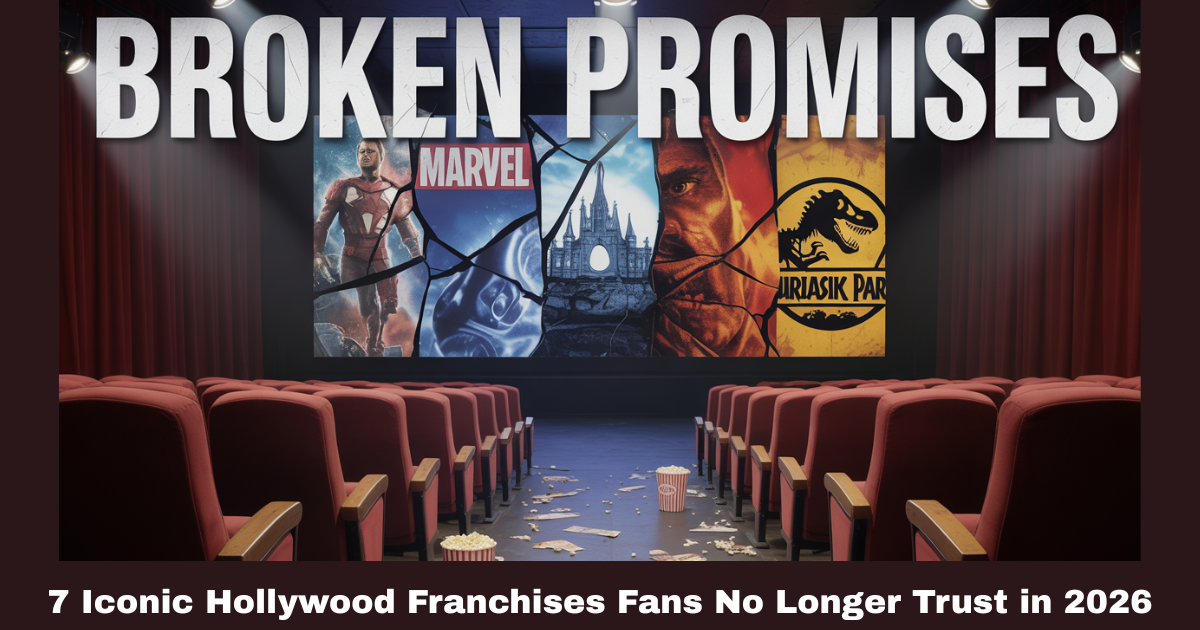
From disappointing sequels to franchise fatigue, discover 7 iconic Hollywood franchises fans no longer trust in 2026. Explore what went wrong, audience backlash, box-office drops, and whether these once-beloved series can regain credibility.
This breakdown examines how trusted Hollywood franchises lost their way and why audiences are walking away from once-reliable entertainment. We’ll explore Disney’s epic Snow White failure that cost nearly $270 million, Marvel’s Captain America proving superhero fatigue is real, and how Jurassic World’s commercial success masks creative bankruptcy. You’ll also discover why some franchises like Lilo & Stitch still succeed when studios respect the source material.
The stakes couldn’t be higher. Hollywood’s nostalgia strategy backfire isn’t just creating movie franchise fan disappointment – it’s destroying decades of audience loyalty and threatening the survival of iconic brands that once seemed untouchable.
Hollywood’s nostalgia strategy taps into deeply psychological needs, with familiar franchises acting as emotional self-care during turbulent times. Audiences actively seek “simpler times” and purchase tickets to remakes and sequels as “emotional insurance,” desperately trying to reconnect with past comforts that once brought them joy.
Studios choosing low-risk sequels over original creative ventures
This psychological vulnerability creates a perfect storm for studios, who favor nostalgia bait precisely because it represents financially low-risk investments. Rather than developing original ideas that might fail at the box office, Hollywood consistently opts for formulaic sequels, knowing audiences will reliably support familiar intellectual properties even when the creative content runs completely dry.
How franchise fatigue destroys audience trust and industry creativity
This addiction to constant rehashes inevitably leads to widespread “franchise fatigue” and a perceived loss of creativity and originality across the entire industry. When studios violate the emotional guarantee of fidelity and quality that audiences expect, they face swift and punitive market responses. Massive grosses from established intellectual properties often mask underlying profitability issues, reinforcing what critics describe as a dangerous “death spiral of nostalgia bait” that threatens long-term franchise survival.

Disney’s live-action Snow White (2025) represents one of Hollywood’s most catastrophic franchise failures, with a staggering production budget of $269.4 million USD generating only $205.7 million USD worldwide. This massive financial shortfall demonstrates how Disney franchise failures can devastate even the most established properties when studios prioritize quick cash over thoughtful adaptation.
Fractured vision between nostalgia and modern messaging satisfies no audience
The film’s fundamental problem stemmed from a fractured vision torn between nostalgia and modern messaging, ultimately satisfying no audience. Lead actress Rachel Zegler’s public criticism of the 1937 original film’s love story and depiction of women was perceived as disrespect by the core audience, shattering crucial emotional connections that drive franchise loyalty and trust.
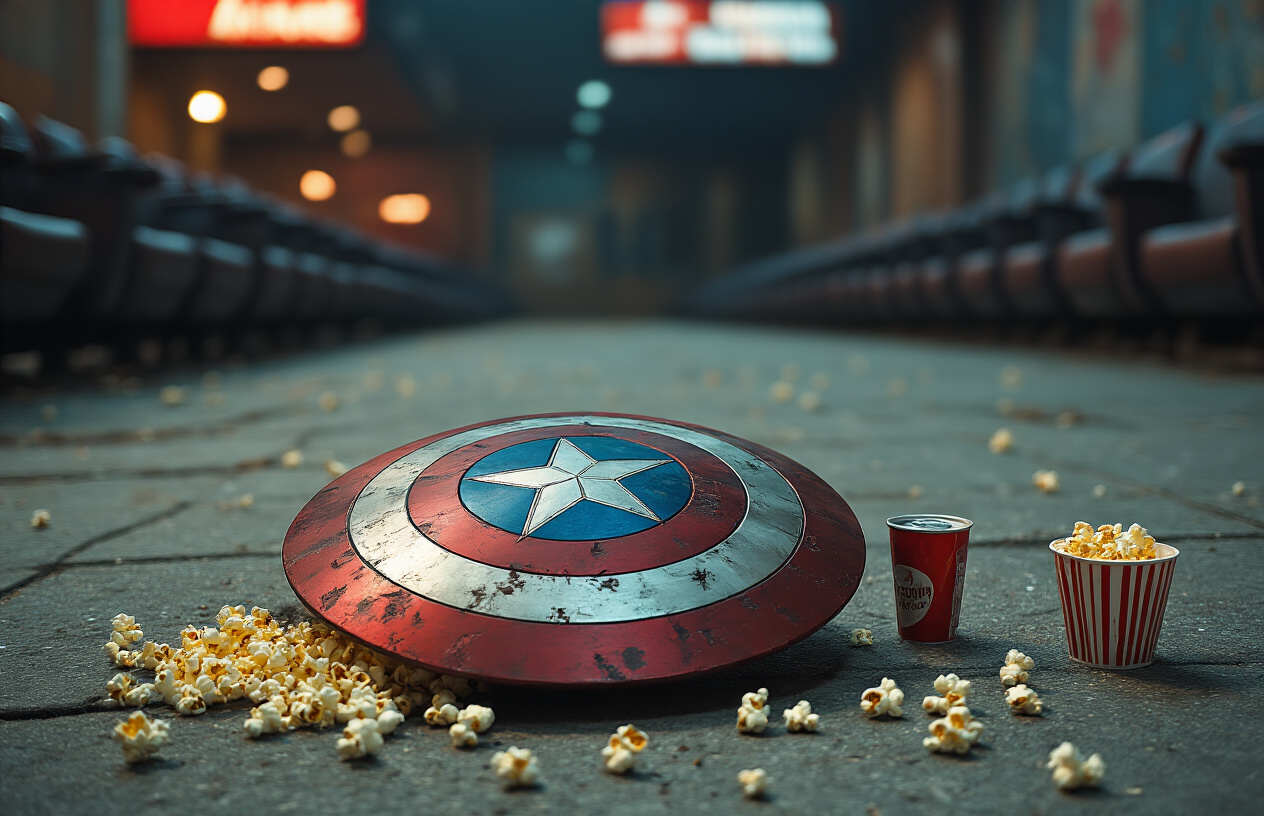
Marvel’s Captain America: Brave New World serves as a stark example of superhero fatigue plaguing Hollywood franchises in 2026. With a production budget of $180 million, the film managed to gross $415.1 million worldwide, achieving technical break-even but falling dramatically short of franchise expectations that fans once trusted Marvel to meet consistently.
Quality content no longer overcomes widespread superhero exhaustion
Despite receiving generally positive initial social media reactions, the disappointing box office performance demonstrates that decent quality content alone cannot combat widespread superhero fatigue. This Marvel franchise problem signals a fundamental shift where even well-crafted superhero content fails to generate the enthusiasm and financial returns that once made these iconic movie franchises reliable investments for both studios and audience loyalty.
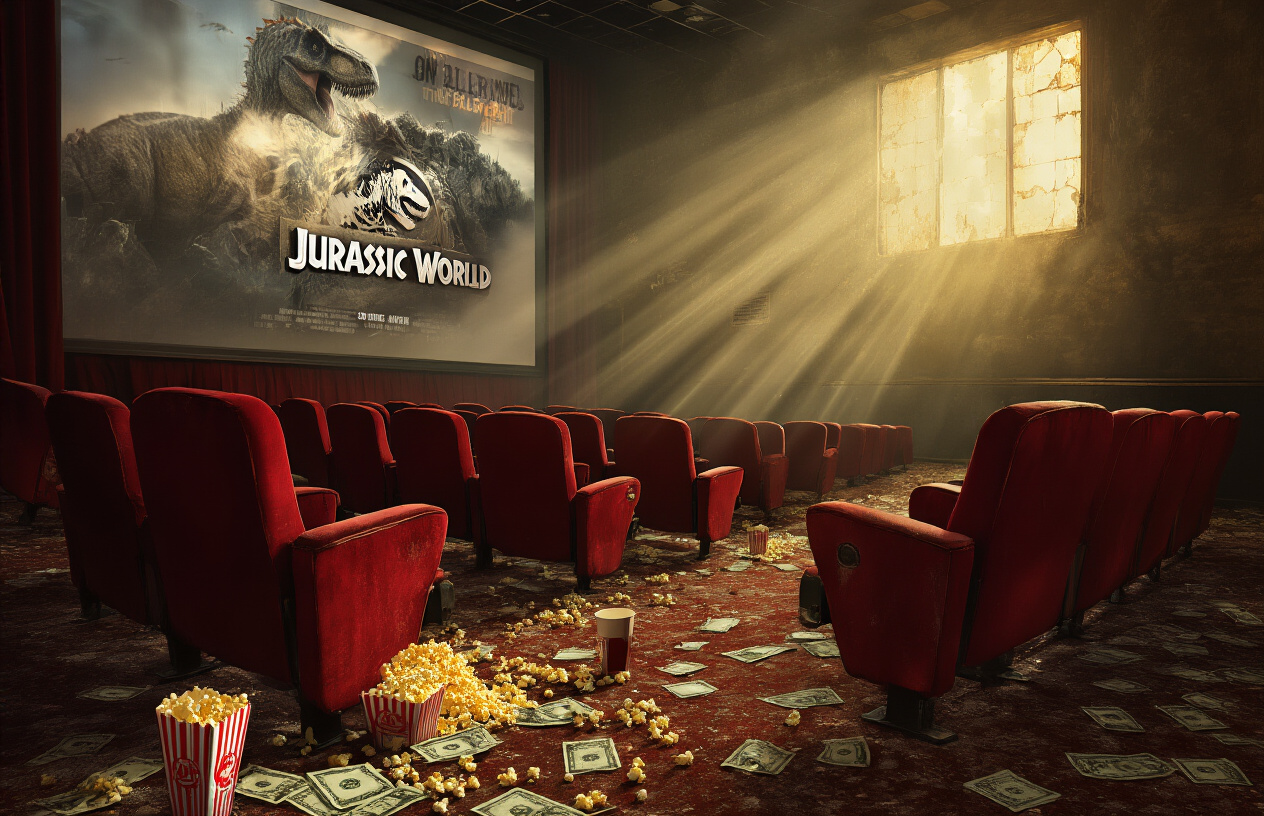
Jurassic World Rebirth’s staggering $887 million USD box office performance initially suggested franchise success, yet this commercial triumph masked deeper creative failures. Despite impressive financial returns, fan critiques on TikTok revealed widespread disappointment with the lack of character dimension in the plot, exposing how Hollywood franchise problems can hide behind impressive revenue numbers.
Tired “Big Pharma Greed” Narrative Replaces Genuine Storytelling Innovation
Critics noted how the plot devolved into a tired “big pharma greed” narrative, abandoning the genuine originality that made the franchise beloved. This creative bankruptcy demonstrates how commercial success can mask fundamental storytelling decay, with some social media critics calling it the worst Jurassic Park film in franchise history, highlighting growing franchise fatigue audience sentiment.
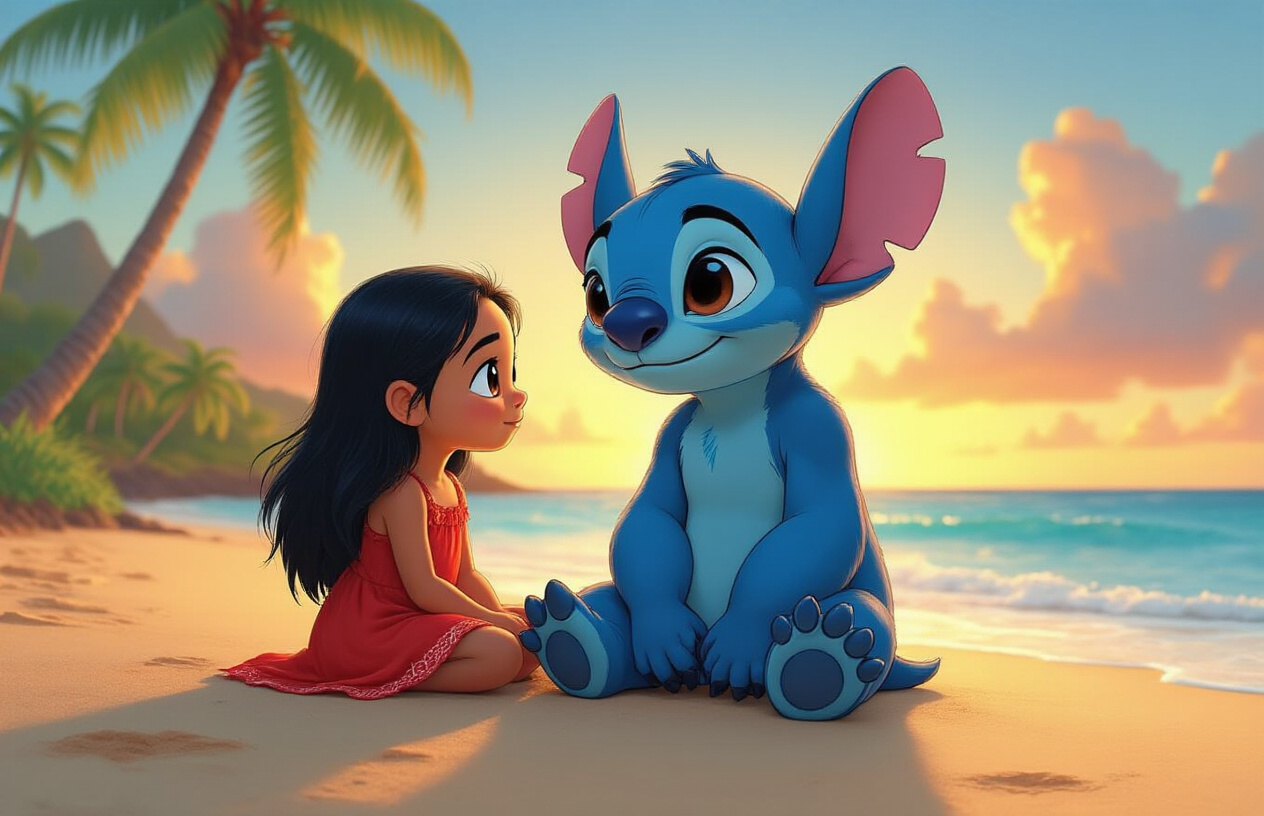
Disney’s live-action Lilo & Stitch achieved remarkable financial success, grossing over $1.037 billion worldwide with a moderate $100 million production budget, becoming the second-highest-grossing film of 2025. This massive box office performance demonstrates that audiences maintain strong appetite for quality Hollywood franchises when studios deliver authentic, well-crafted content that respects the source material.
Creative fidelity and character depth enhancement drives positive reception
The film’s success stemmed from quality production and creative fidelity, with audiences praising how it hit “similar beats to the original” while meaningfully adding depth to characters like Lilo and Nani. The enhanced “ohana” (family) theme resonated powerfully with viewers, who specifically highlighted the “so well made” and “magical” CGI Stitch as evidence of the production’s commitment to excellence and respect for the beloved franchise.
Low-effort content risks destroying emotional connections permanently
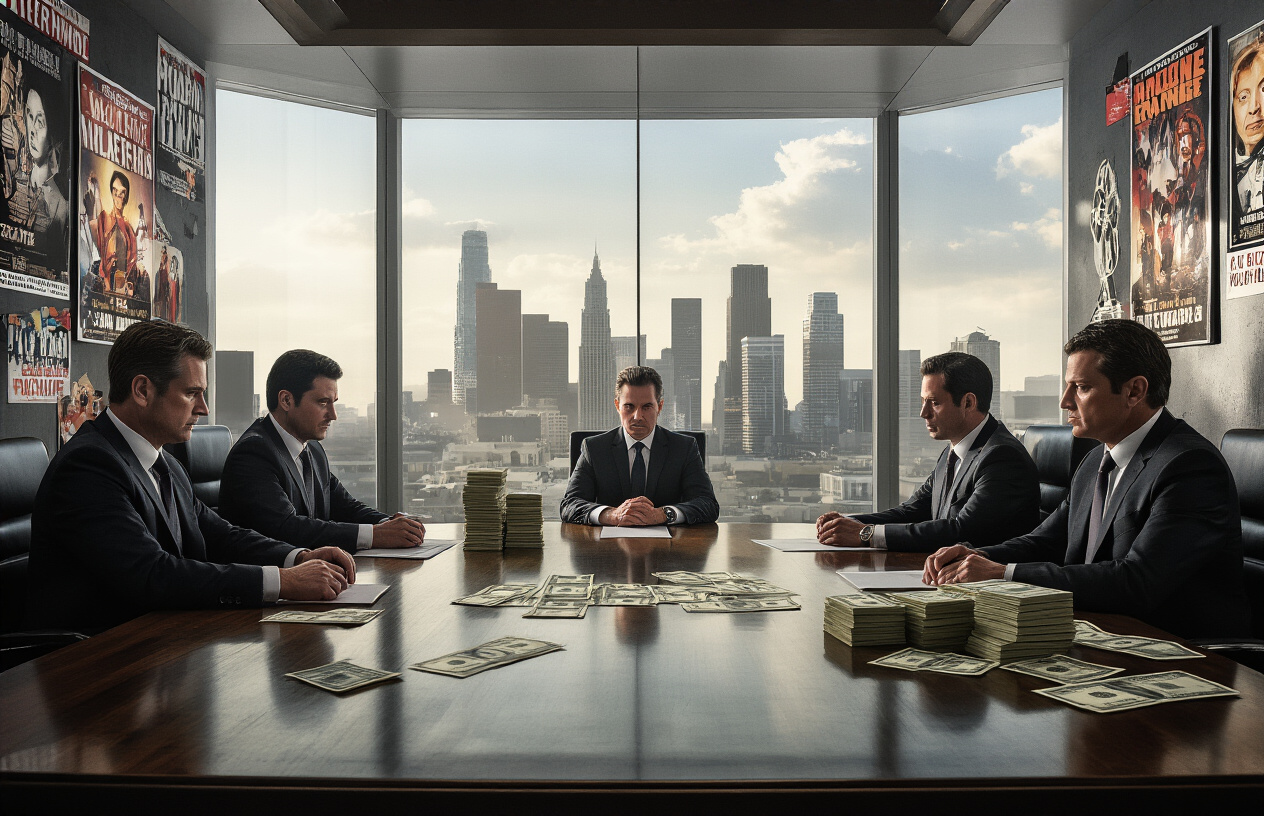
Despite successful models like Lilo & Stitch demonstrating the potential for respectful franchise treatment, the film industry continues prioritizing low-effort, low-fidelity content over genuine creative vision. This approach creates a dangerous “death spiral of nostalgia bait” through creatively bankrupt remakes that permanently destroy the emotional connections audiences have with beloved Hollywood franchises fans don’t trust.
Short-term nostalgia profits versus sustainable franchise value
The industry faces a critical risk/reward calculation: weighing quick nostalgia cash against the long-term health of major franchises. Constant, low-risk content production may generate immediate profits, but this strategy risks crippling iconic movie franchises and perpetually damaging audience relationships. Franchise fatigue audience sentiment reflects the growing consequences of prioritizing short-term gains over sustainable franchise value that could ensure decades of meaningful storytelling.
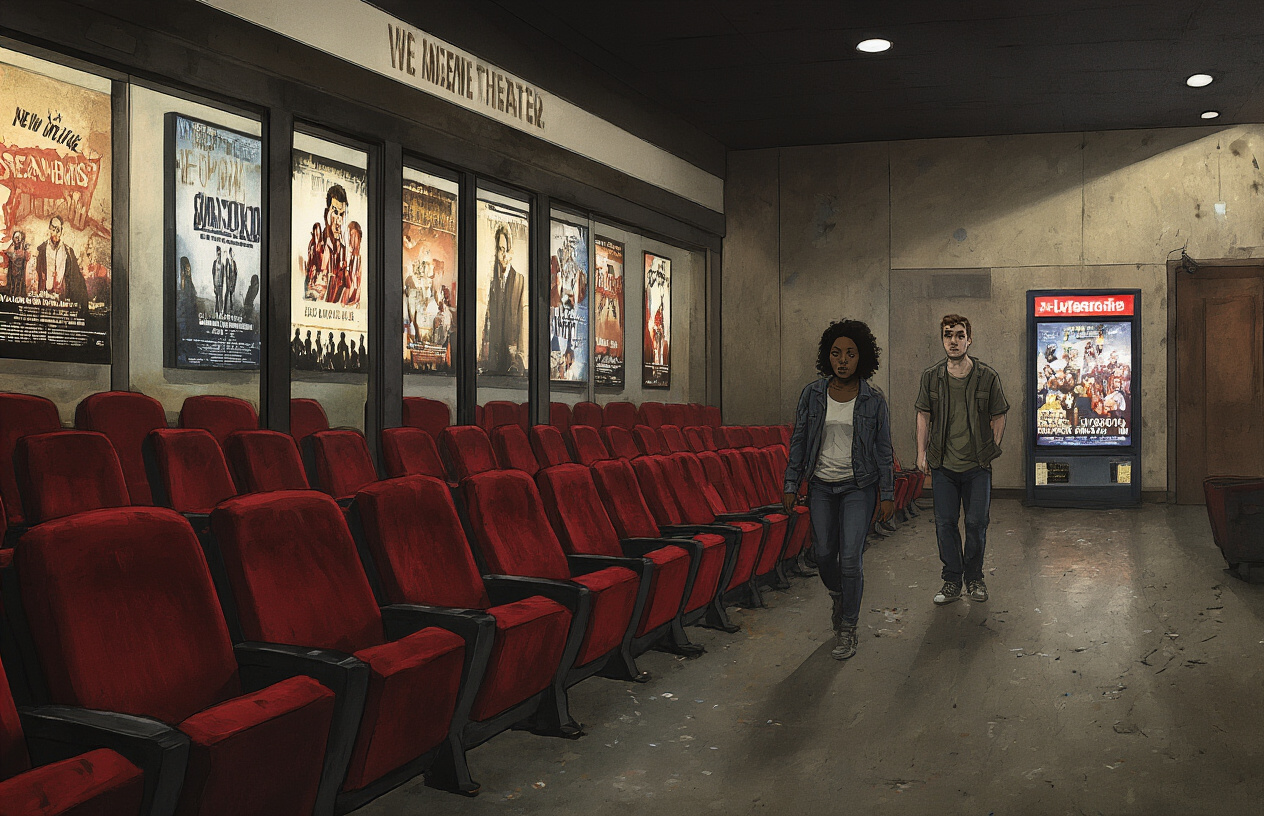
The industry stands at a crossroads between quick nostalgia cash and long-term franchise survival. Disney’s Lilo & Stitch proves that respectful, high-quality adaptations can still capture lightning in a bottle, earning over $1 billion by honoring the original while adding meaningful depth. This success offers a clear blueprint: audiences will reward genuine creative fidelity and production integrity, but they will ruthlessly punish studios that treat their childhood memories as disposable cash grabs. The choice facing Hollywood is stark—continue down the path of fractured visions and broken promises, or invest in the quality and respect that these iconic franchises and their devoted fans truly deserve.
1 thought on “7 Iconic Hollywood Franchises Fans No Longer Trust in 2026”