Why Netflix Cancels the Shows You Love ? Discover 9 beloved Netflix series that were canceled and the real reasons behind these decisions—from viewership metrics and budgets to algorithm-driven strategies and industry realities.
This deep dive into Netflix cancelled shows reveals the cold, hard business realities behind those heartbreaking cancellation announcements. We’ll break down Netflix’s controversial 70-day rule that seals many shows’ fates before fans even discover them, and explore how the Netflix algorithm and financial pressures trump viewer passion when Netflix show renewal decisions get made.
You’ll also get the inside scoop on 9 beloved shows Netflix cancelled despite strong fan followings, plus learn why even the most passionate fan campaigns rarely change the streaming giant’s mind once those cancellation notices go out.
Most Talked-About Cancellations: Why Netflix Cancels the Shows You Love
Below are some of the most talked-about cancellations that left audiences frustrated, confused, and, in many cases, angry
1. 1899 — A Mystery That Never Got Its Answers
Created by the minds behind Dark, 1899 promised a complex, multi-season mystery. The first season ended with massive unanswered questions — clearly designed to unfold over time.
Instead, Netflix pulled the plug after just one season.
Viewers felt misled. Many believed the show was marketed as a long-term story, not a one-season experiment. Online discussions quickly turned bitter, with fans saying they regretted emotionally investing at all.
2. Mindhunter — Critically Acclaimed, Then Forgotten
Few Netflix shows received as much critical praise as Mindhunter. Its slow-burn storytelling, strong performances, and intelligent writing made it a favorite among serious TV fans.
Yet the show simply… stopped.
No official cancellation announcement. No proper closure. Just silence.
For many viewers, Mindhunter became the moment they realized Netflix doesn’t always value quality over convenience.
3. The Society — Cancelled When It Needed Answers Most
The Society built a strong fan base, especially among younger audiences in the U.S. The first season ended on a dramatic cliffhanger that begged for resolution.
Season 2 was planned. Scripts were reportedly in motion.
Then came the cancellation.
Fans didn’t just feel disappointed — they felt abandoned. To this day, discussions around The Society often include the same word: unfinished.
4. GLOW — Promised a Final Season, Then Took It Away
This one hurt differently.
Netflix had already renewed GLOW for a final season, giving fans confidence that the story would end properly. Then, unexpectedly, the decision was reversed.
For many viewers, this crossed a line. Canceling a show is one thing. Canceling a promised ending is another.
5. Inside Job — Cancelled After Fans Were Told to Expect More
Animated shows often struggle to get respect from streaming platforms, and Inside Job became a perfect example.
Despite solid viewership and positive feedback, the show was cancelled shortly after Netflix had hinted at more episodes.
Fans felt misled — again.
Case Studies of 9 Beloved Cancelled Shows: Why Netflix Cancels the Shows You Love
The OA built an incredibly passionate fanbase with its mysterious sci-fi narrative and interpretive dance sequences, but Netflix cancelled shows like this because they struggle to find mass appeal beyond devoted viewers. Despite fan campaigns and critical acclaim, the series’ abstract storytelling and niche themes couldn’t generate the viewership numbers Netflix’s algorithm demanded for renewal.
Santa Clarita Diet – comedy genre challenges on the platform
Netflix’s comedy cancellation pattern became clear with Santa Clarita Diet, which starred Drew Barrymore as a suburban zombie. The show delivered consistent laughs and positive reviews, yet Netflix cancelled this beloved series after three seasons. Comedy shows face unique challenges on streaming platforms, where binge-watching metrics often favor drama series that keep viewers glued to screens for longer periods.
Anne with an E – international co-productions and complications
International partnerships can complicate renewal decisions, as seen with Anne with an E’s cancellation despite strong global viewership. The Canadian co-production thrived internationally but faced budget negotiations between multiple parties. When Netflix cancelled shows with complex international funding structures, they often cite logistical challenges that make renewals financially unfeasible, regardless of fan loyalty.
Sense8 – high production costs versus niche audience
Sense8 exemplifies how beloved shows Netflix cancelled often fall victim to budget constraints despite passionate fanbases. The Wachowski sisters’ ambitious series required expensive international filming locations and elaborate action sequences, making it one of Netflix’s most costly productions. While critics praised its representation and storytelling, the show’s niche appeal couldn’t justify its massive budget in Netflix’s data-driven decision matrix.
Netflix’s Business Model Behind Show Cancellations: Why Netflix Cancels the Shows You Love

Netflix cancelled shows based on engagement metrics rather than traditional viewership ratings. While broadcast networks focus on live audience numbers and advertising revenue, Netflix prioritizes completion rates, binge-watching patterns, and subscriber behavior data. The platform measures success through viewer hours, rewatching frequency, and social media buzz rather than simple viewer counts.
The role of subscriber acquisition versus subscriber retention
Netflix’s cancellation policy heavily weighs new subscriber acquisition against keeping existing viewers happy. Shows that attract fresh subscribers often get renewed even with modest viewership, while beloved series with loyal but limited audiences face the axe. This strategy explains why Netflix cancels popular shows that primarily serve retention purposes rather than drawing new paying customers to the platform.
Cost-per-hour metrics and their impact on programming decisions
| Metric Type | Traditional TV | Netflix Strategy |
|---|---|---|
| Primary Focus | Ad revenue per viewer | Cost per viewing hour |
| Success Measure | Nielsen ratings | Completion rates |
| Renewal Factor | Advertiser interest | Subscriber growth |
Production costs directly impact Netflix show renewal decisions through cost-per-hour calculations. Expensive series need significantly higher engagement numbers to justify their budgets compared to cheaper alternatives. This mathematical approach often dooms high-production shows with passionate but smaller fanbases, regardless of critical acclaim or cultural impact.
International market considerations affecting show renewals
Global appeal plays a crucial role in Netflix’s business model cancellations. Shows that resonate primarily with English-speaking audiences face steeper renewal hurdles than series with international viewing potential. Netflix prioritizes content that can attract subscribers across multiple regions, making locally-focused programming vulnerable despite strong domestic performance and dedicated fan campaigns.
The Algorithm’s Role in Determining Show Fate: Why Netflix Cancels the Shows You Love

Netflix’s algorithm tracks every second viewers spend watching shows, with completion rates serving as the primary metric for renewal decisions. Shows that fail to maintain audience engagement beyond the first episode face immediate scrutiny, as the platform prioritizes content that keeps viewers glued to their screens from start to finish.
The importance of immediate viewership versus long-term popularity
The streaming giant weighs opening weekend numbers more heavily than sustained fan devotion over months or years. Netflix cancelled shows often suffer from weak initial performance despite building passionate followings later, as the Netflix algorithm show cancellation process favors explosive early metrics over gradual audience growth that might indicate lasting cultural impact.
Global viewership patterns and their weight in renewal choices
International viewing data significantly impacts Netflix show renewal decisions, with the platform analyzing performance across different regions and demographics. Shows that resonate strongly in specific markets but fail globally often get axed, as Netflix’s business model prioritizes content with broad, worldwide appeal over regional favorites that generate intense but geographically limited engagement.
Financial Pressures Driving Cancellation Decisions: Why Netflix Cancels the Shows You Love

Successful Netflix shows face a harsh financial reality: production budgets skyrocket after initial seasons. Sets become more elaborate, special effects more complex, and storylines more ambitious. What started as a modest $2-3 million per episode can balloon to $8-10 million by season three, making even popular series financially unsustainable for the streaming giant’s bottom line.
Actor salary increases after successful seasons Budget allocation strategies for maximum content diversity
Star power comes with a steep price tag once Netflix cancelled shows demonstrate their worth. Lead actors often negotiate 200-400% salary increases between seasons, while supporting cast members demand significant raises too. These escalating costs force Netflix’s business model cancellations, as the platform prioritizes launching multiple new series over maintaining expensive established hits that may have peaked in audience growth potential.
The 70-Day Rule and Its Impact on Beloved Shows: Why Netflix Cancels the Shows You Love

Netflix’s infamous 70-day rule serves as the make-or-break period for new shows, where viewership data collected during this critical window determines whether a series gets renewed or faces cancellation. The streaming giant analyzes completion rates, viewer engagement, and cost-per-view metrics during these first 70 days to assess a show’s long-term viability. This Netflix cancellation policy creates immense pressure on new releases to capture audiences immediately, often leaving little room for shows to build organic followings over time.
Why passionate fandoms can’t always save shows
Even beloved shows Netflix cancelled with devoted fanbases can’t escape the 70-day rule if their initial performance metrics fall short of internal benchmarks. Netflix’s algorithm-driven approach prioritizes raw viewership numbers over fan passion intensity, meaning a small but extremely dedicated audience rarely outweighs broader market appeal. Fan campaigns save shows occasionally, but only when combined with strong underlying performance data that justifies the financial investment required for additional seasons.
The Hidden Costs of Keeping Shows Alive: Why Netflix Cancels the Shows You Love
Netflix’s cancellation policy becomes clearer when you look at union contracts that kick in after certain seasons. Actor salaries automatically increase with each renewal, often doubling by season four. Production crew wages also escalate, while writers and directors negotiate higher fees for proven hits.
International licensing complications for longer series
Longer-running shows create complex web licensing deals across different countries, making Netflix’s business model more expensive to maintain. International distribution rights become costlier to negotiate as shows gain popularity, eating into profit margins that Netflix algorithms carefully track for cancellation decisions.
Opportunity costs of renewing versus creating new content
Netflix weighs keeping beloved shows against creating fresh content that might attract new subscribers. The streaming giant’s data shows that new series generate more buzz and subscriber growth than continuing established shows, even popular ones. This explains why Netflix cancels shows fans love – the opportunity cost of renewal often exceeds potential gains from loyal viewership.
How Fan Campaigns Impact Netflix’s Final Decisions: Why Netflix Cancels the Shows You Love
 Successful fan campaigns that changed Netflix’s mind
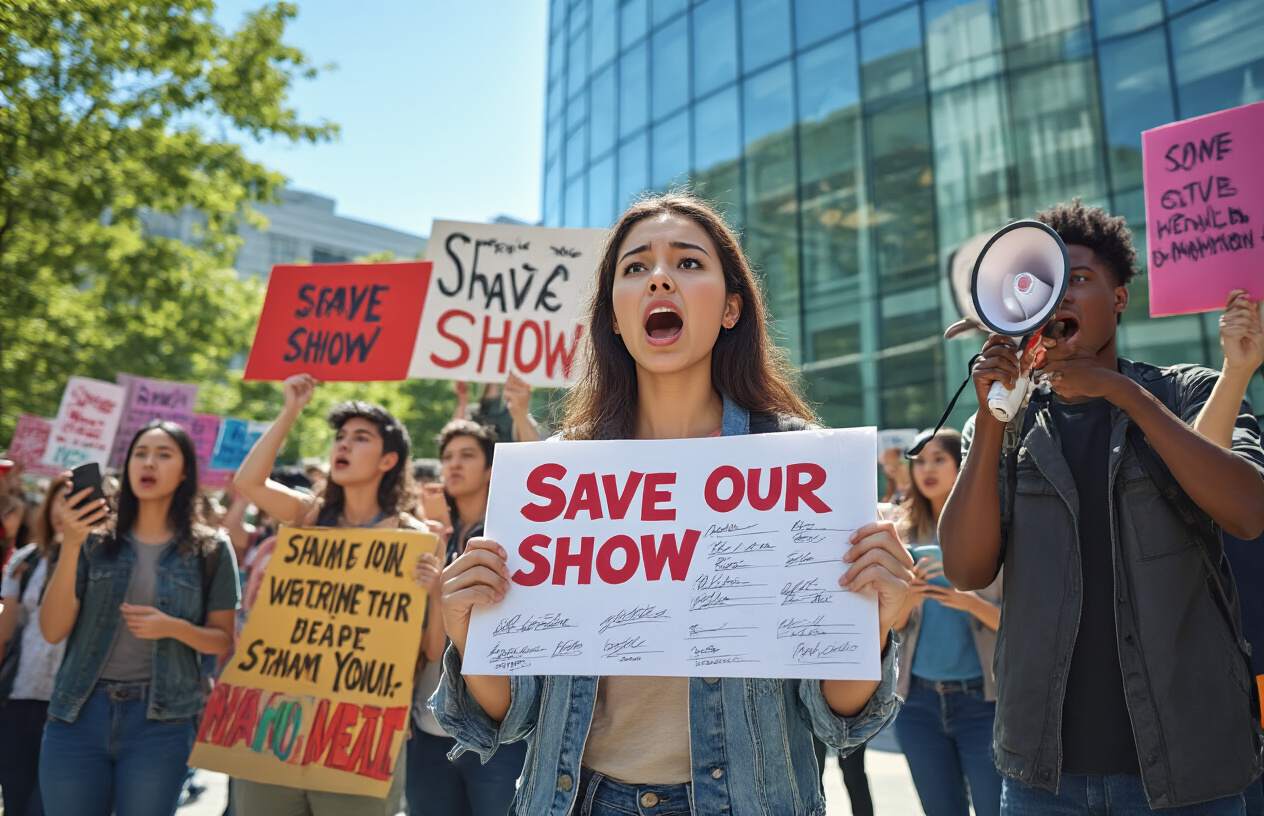
Fan campaigns occasionally break through Netflix’s data-driven decision making, though success stories remain rare. The revival of “Lucifer” stands as the most prominent example – passionate fans launched #SaveLucifer hashtags, organized worldwide protests, and even crowdfunded billboards in Times Square after Fox’s cancellation. Netflix ultimately picked up the show for three additional seasons, proving that massive, coordinated fan efforts can influence renewal decisions when combined with strong international viewership numbers.
Social media buzz doesn’t always translate to Netflix’s bottom line metrics. While passionate fan campaigns save shows like generating millions of tweets and trending hashtags, Netflix prioritizes completion rates, viewing hours, and subscriber retention over social engagement. The company learned that vocal minorities on platforms like Twitter often represent a fraction of actual viewership, making hashtag campaigns less influential than raw viewing data in determining which Netflix cancelled shows deserve renewal.
When passionate viewership translates to actual influence: Why Netflix Cancels the Shows You Love
Fan campaigns succeed when they demonstrate genuine viewing demand beyond social media noise. Netflix responds to campaigns that coincide with strong international performance, merchandise sales, or measurable subscriber acquisition tied to specific content. Shows with dedicated fanbases that actually watch episodes to completion and generate word-of-mouth growth have better chances of revival than those with purely social media-driven support, explaining why most beloved shows Netflix cancelled stay cancelled despite passionate online advocacy.
The nine cancelled shows we examined prove that quality doesn’t guarantee survival in Netflix’s ecosystem. While fan campaigns can sometimes create noise and generate media attention, they rarely change the fundamental economics that drive these decisions. Your best bet as a viewer is to understand that Netflix treats content as data points first and entertainment second. Support the shows you love early and loudly, but don’t be surprised when even the most passionate fanbase isn’t enough to save a series that doesn’t fit Netflix’s business model.
Also Read-
https://usaupdatesfirst.com/7-iconic-hollywood-franchises-fans-no-longer-trust/